
Gambling's cultural influence How it shapes societal perceptions and norms
The Historical Context of Gambling
Gambling has a rich history that dates back thousands of years, intertwined with various cultures and societies. In ancient civilizations, such as those in Mesopotamia and Egypt, gambling was often associated with rituals and religious practices. The allure of chance and risk has made it a staple in human interactions, evolving alongside societal structures and norms. For instance, when exploring today’s gambling scene, one can visit https://casino-and-friends.com/ to understand how it has transformed over the years.

As societies progressed, the perception of gambling began to shift. It transitioned from a sacred activity to one that was sometimes shrouded in stigma. Throughout history, various governments and institutions have oscillated between regulation and prohibition, reflecting broader societal views about morality and luck. This historical context shapes how contemporary cultures perceive gambling today.
Gambling in Modern Society
In the modern world, gambling is a multi-billion-dollar industry, deeply embedded in entertainment and leisure. With the advent of online platforms, such as casinos and sports betting, access has become easier and more widespread. This normalization of gambling has led to its acceptance in many cultures, often seen as a legitimate form of entertainment rather than a vice. High-stakes strategies employed by players add another layer of excitement.
However, this acceptance comes with its complexities. While many view gambling as a fun activity, others raise concerns about addiction and its societal impact. These varying perceptions reveal a cultural tension, highlighting how gambling is simultaneously celebrated and critiqued, reflecting broader societal values surrounding risk and reward.
Cultural Representations of Gambling
Media plays a significant role in shaping perceptions of gambling. Movies, television shows, and literature often romanticize the lifestyle of gamblers, portraying high-stakes risks and rewards. These representations can influence public opinion, either glamorizing gambling or painting it as a destructive force.
Additionally, cultural narratives surrounding gambling can differ significantly across regions. In some cultures, gambling is an integral part of social gatherings and celebrations, whereas in others, it may be viewed as morally questionable. These differing viewpoints contribute to a varied societal landscape where gambling’s cultural influence is both celebrated and contested.
The Role of Regulation and Responsible Gambling
With the increasing normalization of gambling, regulatory measures have become essential in promoting responsible gaming. Governments worldwide are implementing laws to protect consumers and mitigate the risks associated with gambling addiction. These regulations reflect a growing awareness of the potential downsides of gambling and the need to balance entertainment with responsibility.
Moreover, campaigns promoting responsible gambling have emerged, aiming to educate players about the risks and encourage safe practices. This shift in focus represents a cultural evolution, indicating that while gambling can be a form of entertainment, it also comes with responsibilities that society must address collectively.
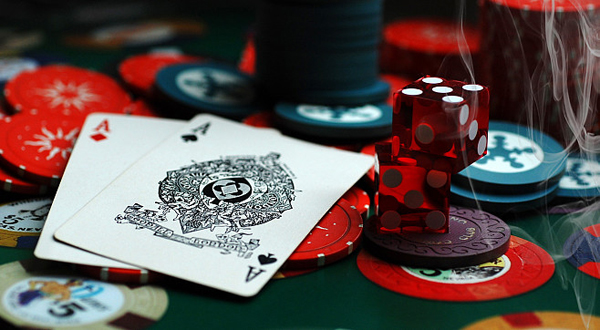
Casino and Friends: A Modern Gaming Experience
Casino and Friends exemplifies the contemporary approach to online gaming, offering a safe and engaging platform for enthusiasts. Established with a commitment to user-friendly experiences, it reflects the evolving landscape of gambling in today’s society. Players can enjoy a variety of games, from live dealers to slots, all backed by top-notch security measures.
As part of the broader cultural influence of gambling, Casino and Friends not only provides entertainment but also emphasizes responsible gaming. The site’s focus on player support and safety aligns with the growing societal commitment to ensuring that gambling remains a healthy pastime for all. In this way, it mirrors the ongoing conversation about the role of gambling in our culture and its impact on societal norms.