
Understanding the psychological triggers behind gambling behavior
The Allure of Risk and Reward
One of the primary psychological triggers behind gambling behavior is the innate human attraction to risk and reward. This phenomenon is rooted in our evolutionary background, where taking risks could lead to substantial gains, such as food or resources. In a modern context, gambling offers an immediate sense of excitement and potential financial gain, appealing to our desire for instant gratification. The anticipation of winning, often reinforced by success stories and advertisements, creates an atmosphere where users can engage in activities like Casoola registration that enhance this allure, making it difficult for individuals to resist the temptation to gamble.
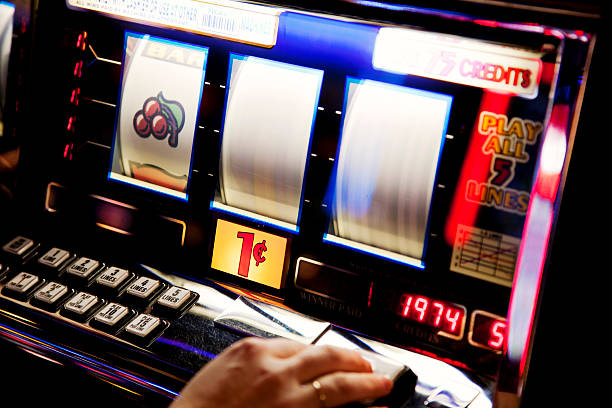
The thrill associated with gambling is often heightened by the unpredictable nature of the games. Whether it’s spinning the roulette wheel or pulling the slot machine lever, the uncertainty creates a psychological rollercoaster. This unpredictability feeds into what psychologists refer to as intermittent reinforcement, where rewards are given at irregular intervals. This sporadic nature of winning enhances excitement and leads players to continue engaging with the activity, hoping for that next big win. Over time, this can lead to habitual gambling behavior.
Moreover, the environment in which gambling occurs—be it a casino or an online platform—plays a significant role in influencing behavior. Bright lights, sounds of celebration, and engaging visuals create a stimulating atmosphere that can amplify emotions. These sensory cues often act as psychological triggers, reinforcing the desire to gamble. As players are immersed in this enticing environment, their rational decision-making may be compromised, making them more susceptible to impulsive behavior.
The Psychological Impact of Loss
The psychological concept of loss aversion is crucial in understanding gambling behavior. Loss aversion refers to the tendency for individuals to prefer avoiding losses rather than acquiring equivalent gains. For gamblers, this psychological trigger can lead to a cycle of chasing losses, where individuals continue to gamble in hopes of recouping their previous losses. This behavior often results in escalating bets and increased financial risk, as the emotional distress of losing outweighs the rational understanding of the odds.
Many gamblers develop a distorted perception of control over their outcomes, known as the illusion of control. This psychological phenomenon leads individuals to believe that they can influence the outcome of a game through skill or strategy, despite the inherent randomness. This misconception can motivate them to continue gambling, as they cling to the hope that they can turn their luck around. This feeling of control can be especially strong in games that involve some level of skill, such as poker or sports betting, further entrenching the gambler in their behavior.
The emotional toll of gambling is not limited to financial loss; it can also have devastating effects on relationships and mental health. As individuals become more engrossed in gambling, they may isolate themselves from family and friends, leading to loneliness and depression. This emotional distress can further drive them to gamble, creating a vicious cycle that is hard to break. Understanding the psychological impact of loss is essential for developing effective strategies for intervention and support.
The Role of Social Influences
Social influences play a significant role in shaping gambling behavior. The normalization of gambling within certain communities can create an environment where participation is not only accepted but encouraged. Whether it’s friends gathering for a poker night or family outings to the casino, these social settings can enhance the desire to gamble. When individuals see their peers enjoying gambling, they are more likely to partake, often underestimating the risks involved.
Moreover, online gambling platforms have transformed the landscape by offering social connectivity alongside gaming. Many platforms now include social features, allowing users to interact, share experiences, and celebrate wins. This social aspect can amplify the excitement of gambling and foster a sense of belonging. However, it can also lead to increased peer pressure, where individuals feel compelled to gamble more to maintain their social status or fit in with their peers.
The role of advertising and media cannot be overlooked either. Marketing strategies often glamorize gambling, portraying it as an exciting and glamorous activity. The portrayal of successful gamblers as heroes in movies and advertisements reinforces the idea that winning is not only possible but likely. This cultural narrative can skew perceptions and diminish the perceived risks associated with gambling, further exacerbating the likelihood of participation.
The Brain’s Reward System and Gambling
The brain’s reward system is intricately linked to gambling behavior. When individuals gamble, the brain releases neurotransmitters such as dopamine, which are associated with pleasure and reinforcement. This biochemical response creates a euphoric feeling that can be highly addictive. As players experience wins, even small ones, their brains become conditioned to seek out that pleasurable feeling, driving them to gamble more frequently.
Research has shown that the anticipation of a reward can be just as powerful as the reward itself in stimulating the brain’s pleasure centers. In gambling, the thrill of anticipation, even without an actual win, activates these pathways. This explains why many gamblers may continue to play, even in the absence of significant wins. This compulsive behavior can lead to a desire to gamble beyond one’s means, as the brain constantly seeks that pleasurable release.
Additionally, the neural pathways associated with gambling can become altered over time, making it more challenging for individuals to resist the urge to gamble. This conditioning can lead to a range of psychological issues, including compulsive gambling disorder. Understanding the biological and psychological underpinnings of gambling behavior can provide valuable insights into treatment and recovery methods for those struggling with addiction.

Website Role in Promoting Awareness and Support
The website serves as a protective platform, offering insights and resources to individuals grappling with gambling behavior. By prioritizing user education, the site aims to shed light on the psychological triggers that drive gambling, providing valuable information for both gamblers and their loved ones. Understanding these triggers is crucial in fostering awareness and promoting healthier choices in gambling behavior.
Furthermore, the website emphasizes the importance of security and protection against online threats. By creating a safe space for users to explore information and resources, it encourages informed decision-making. If users encounter access issues, the website provides guidance to ensure that they can access vital information without hindrance, emphasizing user protection as a top priority.
Ultimately, this platform aims to facilitate conversations around gambling behavior, offering support and resources for those in need. By understanding the psychological triggers that underpin gambling, individuals can make informed choices and seek help when necessary. The goal is to foster a community that is aware of the risks and complexities associated with gambling, promoting a healthier approach to this often misunderstood activity.